Pottery & Ceramic Arts for Beginners
A reference covering hand-building, wheel-throwing, clay selection, kiln firing, and glazing — grounded in what actually matters when you start working with clay.
Browse Articles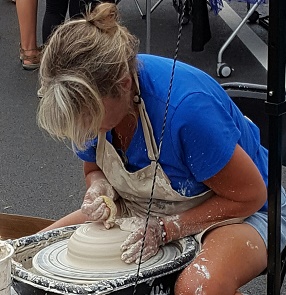
What You'll Find Here
From raw clay to finished glaze — each topic is treated with the kind of detail that saves hours of guesswork at the studio table.
Hand-Building
Pinch, coil, and slab construction are the foundation of ceramic work. They require no equipment beyond your hands and a flat surface, which makes them the standard entry point for most beginners.
Wheel-Throwing
Centering clay on a spinning wheel and raising walls requires repetition before it becomes reliable. Understanding the stages — centering, opening, pulling — makes the learning curve predictable.
Clay Types
Earthenware, stoneware, and porcelain behave differently through every stage of making. The right body for a beginner depends on firing temperature, studio access, and intended use of finished pieces.
Kiln Firing
Bisque and glaze firings transform fragile greenware into durable ceramic. Temperature ramps, kiln atmosphere, and cooling rates each affect the finished result in ways that become clearer with experience.
Glazing Methods
Dipping, pouring, brushing, and spraying each produce different surface qualities. Understanding glaze chemistry at a basic level helps predict how colors shift and surfaces develop during firing.
Studio Access in Poland
Ceramic studios and communal kilns are available in Warsaw, Kraków, Wrocław, and Poznań. Many offer open-studio time alongside structured beginner sessions without requiring long-term commitment.
Guides & Reference
Three in-depth articles covering the areas beginners encounter first — and most often get wrong.

Choosing the Right Clay for Beginners
Earthenware fires at low temperatures and is forgiving for hand-building. Stoneware suits both wheel-throwing and functional ware. Porcelain rewards patience. This guide maps each body type to the situations where it performs reliably.
Hand-Building Techniques: Pinch, Coil & Slab
Three construction methods that require no wheel and produce very different results. Each has specific drying and joining considerations that determine whether the finished piece holds together through firing.

Understanding Kiln Firing and Glazing Methods
Bisque and glaze firings, temperature cones, and the main application techniques — dipping, pouring, brushing. What changes inside a kiln, and why the sequence matters for predictable results.
Get in Touch
For corrections, contributions, or general enquiries about the content on this site, use the form or the contact details below.